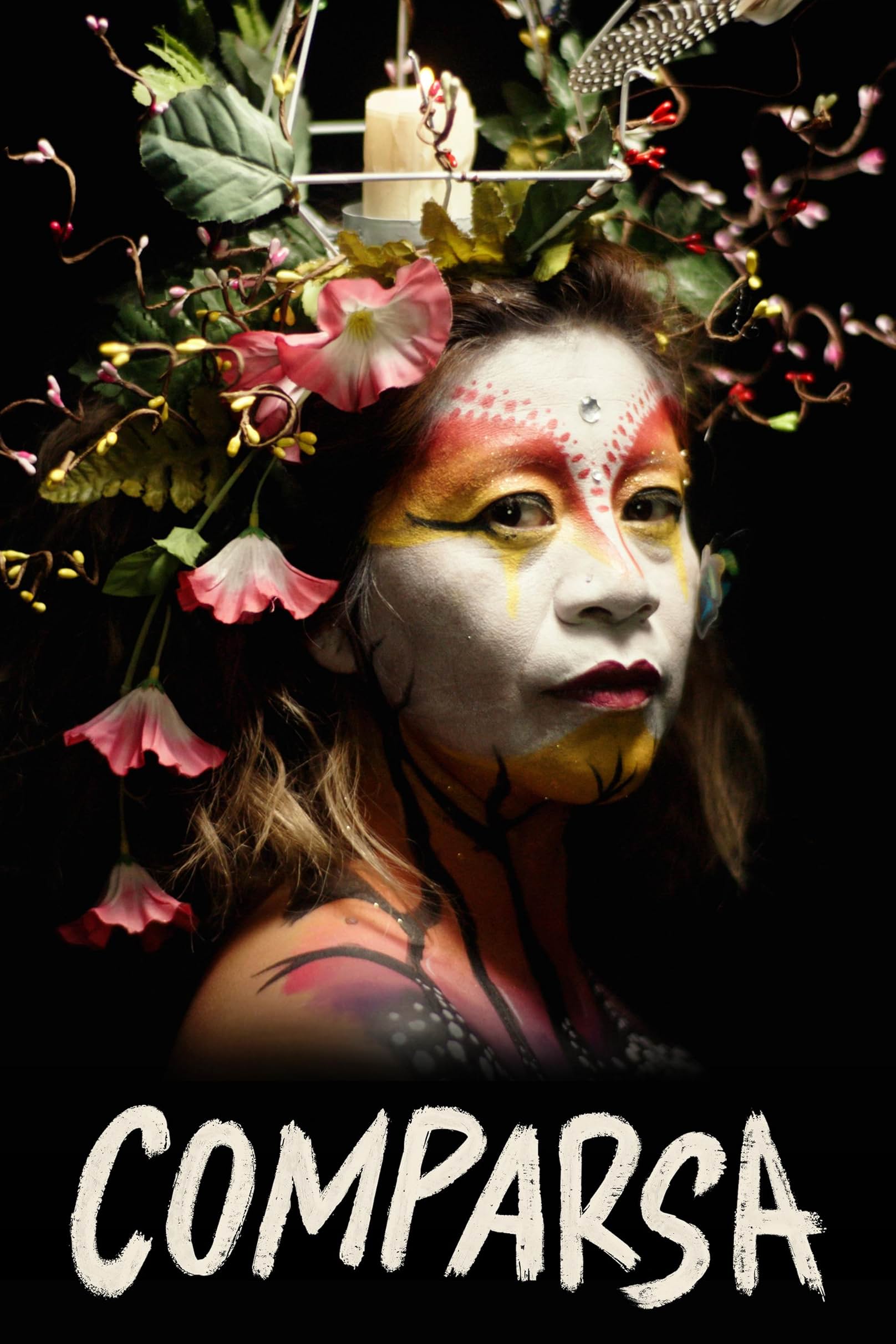

In their directorial feature-length documentary debut, “Comparsa” (2025), Massachusetts, childhood friends codirectors Doug Anderson and Vickie Curtis create an utopian film in a dystopian environment filled with femicide and gender-based violence. The film is set at the Asociación Peronia Adolescente, a twenty-five-year-old neighborhood arts center in Ciudad Peronia, Guatemala, which was founded for girls and women to use art as a form of protest. The 2017 fire at the Hogar Seguro, which translates to safe home, killed forty-one girls and severely injured fifteen others. All tried to escape after making allegations that the guards beat and raped them, but the cops would not let them out even as the fire burned. Five years after the fire, two sisters, Lesli Noemi Canola Pérez and Lupe Pérez, who knew one of the victims, channel their grief into inaugurating the first annual women’s street festival, which was held on March 12, 2022. The film captures the preparations and interviews the girls and women about their personal experiences. Will they be silenced?
Even though femicide is a heavy topic, watching young people with the energy and faith in their ability to change the world is not, which is why “Comparsa” works and is not like most documentaries, which can be the equivalent of eating boiled, unseasoned vegetables. The documentary deliberately feels like an expansion of their creative protest as the subjects play an active role in the direction of the film with a brief glimpse of Curtis and some audio revealing Anderson’svoice. Though both Pérez sisters are featured in the documentary, Lesli is the clear, jubilant leader of the community. The twenty-two-year-old, like most of her friends, look like children, but she is the unofficial coach who gives future festival performers courage as they prepare their work whether it is body painting, clearing a neighborhood park of garbage and drunk men whom they believe to be a neighborhood rapist, writing raps, setting up the stage.
The actual founder, Marta, does not appear much, but she is pictured in the movie poster. Though the symbolism of each work of body art is not discussed, the opening shows the girls painting their hands and arms like flames, which has obvious significance considering the incident. Fire is the destructive cause that kicked off these artistic protests, but Lesli also likens herself to a flame, the good and bad aspects of it with the latter holding the danger of burnout. Marta states that the body painting is for those too afraid to articulate with words their anger at the government, which ran the safe house, because there could be further physical reprisals. She also expresses relief that she can see the next generation of leaders who will continue her legacy.
Because “Comparsa” focuses on the young people rebuilding their community, there is no external context offered regarding government response or official repercussions. The day of this film’s premiere at Woods Hole Film Festival coincides with the last day of testimony in the trial. News reports do play in the background as part of the diegetic soundtrack. During the making of the film, it is revealed that two association participants, twenty-two-year-old Daniela de Leon and seventeen-year-old Angie Martinez, were kidnapped, tortured and killed. Lupe, who is a leader in the same vein as Marta, understated but always present and practical, remarks that the news does not cover the city’s redemptive moments, only the violence, which is an observation that any moviegoer will notice too. So it makes sense that the documentary would prioritize the girls and women’s stories, which are more than the worst moments of their life. While their stories include allusions to personal accounts of violence, they prioritize the stories of those who are not alive to speak and defiantly use their voices for joy and power.
Other women and girls are given the spotlight. The bespectacled Dalila leads an outdoor minute of noise instead of silence and handles the festivals’ logistics all while preparing her guitar performance. She looks related to Marta. Vanessa gets the fullest profile as an example of the quotidian, systemic, psychological violence which grooms young girls into a cycle of becoming slaves instead of experiencing childhood and being nurtured into becoming people who live for themselves. The association is the only space that offers room for such an opportunity. With Vanessa, Lilian is shown making a memorial to the two friends that died during the making of this film and stating her concern that she could be next. Alison is one of the festival performers who is shown writing a song, and there is rarely an onscreen moment when a man is not harassing her, or she is not reeling from that harassment. The exception is during her on stage performance. Her collaboration with Lesli reflects the crucial empowering role that Lesli plays since people cannot control how they will react in times of crisis. She freezes and runs while Lesli confronts politely then later encourages her to use her voice. Alison’s transformation is the most impressive. Because the participants often wear masks to protect against the pandemic, it can be challenging to determine who is talking.
“Comparsa” feels like a communal profile more than an individual one. Some time is devoted to the participants’ mothers while they are working or at home. While their financial situation is accurately depicted, with one scene showing children trying to sell their mother’s food, it does not feel othered or pathologized. With the sisters’ family living in close quarters, it feels as if it is presented as they see and feel it like another version of paradise coexisting peacefully with animals whether it is an orange mother cat and her kittens, a purple chick or fluffy puppies and dogs. There are young men and boys who assist in the production. A mother and street merchant joins them on the day of the festival and offers her body as a canvas in support. The rhythm of the city, colorful, corrugated metal storefronts and well-lived vibrant interiors gradually become familiar until it explodes with color and resounding music on the day of the festival. This exuberant profile is thanks to born New Yorker and later Concord resident cinematographer Sebastián Lasaosa Rogers’ loving eye seeing this community’s heart and soul.
“Comparsa” does periodically leave the confines of the Ciudad Peronia. When they go to the capital, Guatemala City, the protest style will be more familiar to the viewers with photographs of alleged perpetrators on display. The sisters individually and as a pair hike to a high point to look at their entire city and appreciate the timelessness of nature and how far they have come since their humble upbringing as two kids in a cardboard box that their mother used to carry them while she worked. Lesli in particular needs a breather from all her work, and these scenes show that the calm environment provides much needed relief. A lot of films do not understand the need for silence as much as dynamic action in stories. After the festival, these scenes have the effect of making it feel as if they have reclaimed their city as much as the festival.
Suppression radicalizes women and girls more than just letting them grow up as children without being subject to parentification or violence. It results in the very thing that individual and groups of perpetrators do not want: women and girls questioning the status quo and carving a new path. “Comparsa” is a powerful account regarding how one place to be free and yourself can have a broader, positive impact until it fills its surrounding city and possibly the nation. It also shows that when girls and women can live freely, entire communities thrive.